Can I use standard home loan pathways for a granny flat build?
Usually yes, but lender policy, debt-to-income limits, and serviceability settings decide what is feasible.
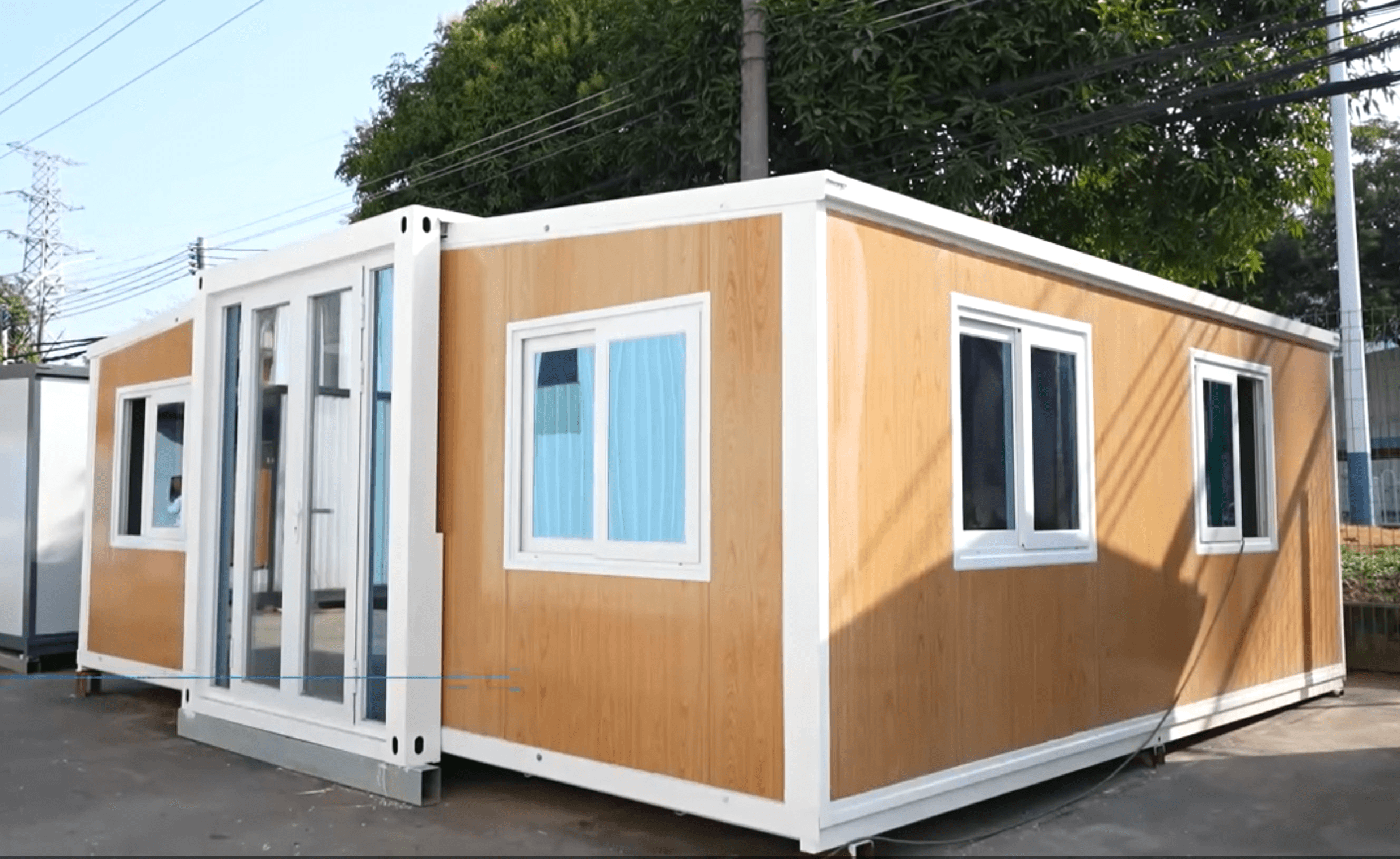
The short answer: treat granny flat finance as a policy-constrained decision, not just a rate-shopping task. In 2026, borrowing limits, grant eligibility rules, tax boundaries, and insurance volatility all move the feasible outcome. This page gives you a conclusion-to-evidence-to-action chain you can use before your lender meeting.
We mapped the most common decision questions for buyers searching "granny flat finance", "granny flat loans", and "can I get a grant to build a granny flat".
Usually yes, but lender policy, debt-to-income limits, and serviceability settings decide what is feasible.
Not as a broad national cash grant; support usually comes through first-home schemes, guarantees, and targeted state programs.
Sometimes only partly. Each program has separate ownership, occupancy, price-cap, and timing rules, so sequencing errors can void eligibility.
Interest, capital works, and depreciation rules can apply, but claims must be apportioned when private use exists.
From 1 July 2021, some written, non-commercial granny flat arrangements are exempt from CGT events at creation, variation, and termination.
Model insurance as a risk-adjusted input, not a fixed number; catastrophe trends and local exposure drive premium variance.
Bring a fixed-price build scope, evidence of approvals pathway, contingency budget, and scenario-based repayment buffers.
Editorial method for this page: evidence first, explicit uncertainty, and decision-ready actions.
Boundary: This guide is educational and does not replace licensed financial, tax, or legal advice for your personal circumstances.
Each conclusion includes a direct action and an evidence marker so you can verify it quickly.
Australia is in a higher-rate and tighter macroprudential cycle. The RBA cash rate target is 3.85% (decision on 3 February 2026), APRA keeps the serviceability buffer at 3 percentage points, and APRA activated a debt-to-income lending limit from 1 February 2026 with supply-focused exemptions.
Action: Run lender scenarios with at least two stress rates and check debt-to-income before selecting design scope.
Evidence: RBA Minutes (2026-02-03), APRA updates (2025-07-23, 2025-11-27).
Federal and state programs can help, but each has strict use cases: owner-occupier intent, first-home status, price caps, and build-contract requirements. From 1 Oct 2025, the 5% Deposit Scheme removed income caps and waitlists, while Help to Buy launched on 5 Dec 2025 with annual place limits and shared-equity conditions.
Action: Treat each program as conditional funding and verify stackability in sequence: ownership setup -> contract timing -> occupancy obligations.
Evidence: First Home Buyers updates (2025-10, accessed 2026-03), Help to Buy launch data (2025-12, 2026-02), NSW/QLD revenue guidance.
ATO guidance allows deductions for eligible rental use, but private use, mixed-purpose loans, second-hand asset limits, and CGT main residence rules can materially change outcomes.
Action: Separate private and rental cashflows in your records from day one and confirm apportionment logic before lodging returns.
Evidence: ATO rental and CGT guidance updated in 2025.
Extreme weather losses and insurance costs remain volatile. ABS CPI data shows Insurance and financial services at 2.4% annual inflation (Jan 2026), while public datasets still do not publish a dedicated national "granny flat premium average" benchmark.
Action: Collect at least three insurance quotes and update feasibility with a high/low premium band tied to your postcode risk.
Evidence: ABS CPI release (2026-01 reference period), ICA loss release (2026-01-23), APRA quarterly insurance statistics release (2026-02-27).
Lender viability is not only about income. Build contract structure, move-in deadlines, and compliance timing can directly affect eligibility, repayment structure, and grant retention.
Action: Move from "loan-first" to "evidence-first": lock preliminary scope, timing, and occupancy plan before finance comparisons.
Evidence: Revenue NSW occupancy compliance rules (contracts from 2023-07-01), Queensland grant timing window (to 2026-06-30).
These are the policy and credit signals that materially influence borrowing feasibility in 2026.
| Dimension | Current evidence | Why it matters | Source |
|---|---|---|---|
| RBA cash rate target | 3.85% (raised by 25 bps) | Higher base rates flow through to borrowing costs and lender serviceability outcomes. | RBA Monetary Policy Board Minutes, 3 February 2026 |
| APRA serviceability buffer | 3 percentage points above loan rate | Borrowing capacity is tested at materially higher repayment assumptions than current rate. | APRA macroprudential update, 23 July 2025 |
| APRA high-DTI limit | 20% cap for loans with DTI >= 6; effective 1 Feb 2026 | High leverage applications face tighter lender portfolio limits, especially for investor lending. | APRA letter, 27 November 2025 |
| APRA DTI exemptions | Bridging finance and lending for purchase/construction of new dwellings are exempt from the DTI cap. | Some granny-flat construction pathways may sit outside the portfolio cap, but still face serviceability and policy tests. | APRA information paper, 27 Nov 2025 |
| New investor housing loans | 60,445 in Dec quarter 2025 (+5.5% qoq) | Competition for investor credit is still active, but policy guardrails have tightened. | ABS media release on lending indicators, published 2026-02 |
Use these inflation and credit-quality indicators to set contingency buffers before locking finance assumptions.
| Dimension | Current evidence | Why it matters | Source |
|---|---|---|---|
| Housing inflation signal (CPI) | Housing inflation was 6.8% annually to Jan 2026 (down from 7.0% in Dec 2025). | Even with easing momentum, build and holding costs can still outpace older feasibility assumptions. | ABS CPI release (January 2026), published 2026-02-25. |
| New dwelling purchase costs | New dwelling purchases rose 0.4% in Jan 2026 and 3.5% over the year. | Contract timing and variation allowances should include contingency for ongoing cost drift. | ABS CPI release (January 2026). |
| Insurance and financial services inflation | 2.4% annual inflation to Jan 2026. | Finance and insurance line items still add upward pressure to repayment buffers. | ABS CPI release (January 2026). |
| Non-performing residential loan trend (ADI data) | APRA reports the share of non-performing residential loans was at its highest level since Sep 2021; non-performing owner-occupier interest-only loans were 2.3% in the Sep 2025 quarter. | Credit quality deterioration can tighten lender policy interpretation for marginal borrowers. | APRA ADI property exposure statistics highlights, published 2025-12-16. |
Execution tip: If your margin of safety only works in one-rate and one-cost scenario, the project is not yet finance-ready. Run base and downside cases before paying non-refundable commitments.
Use this table as a pre-screen before requesting formal term sheets.
| Dimension | Current evidence | Why it matters | Source |
|---|---|---|---|
| Owner-occupier home loan / refinance | Can align with principal-and-interest structures; policy varies by lender. | Usually the lowest-cost pathway, but assessed under current serviceability buffers and lender-specific DTI portfolio settings. | APRA serviceability and DTI settings (2025 updates). |
| Construction-linked lending | Often requires fixed-price build contracts and staged controls; interest-only treatment can be limited and lender-specific. APRA notes new-dwelling construction lending is exempt from the DTI cap. | Contract variation risk can shift guarantee or insurance assumptions during build, even when DTI-cap exemptions apply. | Housing Australia scheme guidance + APRA DTI information paper (2024-2025). |
| Interest-only periods | Repayments can rise sharply when interest-only periods end (example: $2,010 to $3,250 monthly). | Early affordability can mask repayment shock and refinancing risk. | ASIC Moneysmart interest-only loan guidance. |
| Evidence gap you must close | No regulator publishes a single national rate card for granny-flat-specific lending products. | You need direct lender quotes and fee schedules for true comparison. | Inference from regulator publications and public program docs (2026-03 review). |
Boundary note: Public sources do not provide a standardized "granny flat loan" rate benchmark. Treat any online estimate as provisional until you receive lender-issued terms.
Most support is conditional. This matrix helps you spot likely-fit and likely-no-fit paths quickly.
| Dimension | Current evidence | Why it matters | Source |
|---|---|---|---|
| Australian Government 5% Deposit Scheme (formerly FHBG/RFHBG) | Deposit from 5%; guarantee up to 15%; owner-occupier requirements apply. From 1 Oct 2025, place limits and income caps were removed, but this is still not a cash grant. | Can reduce upfront deposit burden if your purchase/build path is eligible. | Housing Australia scheme update, 24 Aug 2025. |
| NSW First Home Owner (New Homes) Grant | $10,000 for first new home; generally capped at $600k purchase or $750k build package value. | Useful only if the transaction is truly first-home and principal residence compliant. | Revenue NSW FHOG guidance (accessed 2026-03). |
| QLD First Home Owner Grant | $30,000 for eligible contracts between 20 Nov 2023 and 30 Jun 2026, then $15,000 from 1 Jul 2026 onward; includes eligible detached dwelling cases on relatives' land. | Relevant for some granny-flat-style projects, but timing, ownership, and contract naming are critical. | Queensland Revenue Office + Queensland Government grant guidance (accessed 2026-03). |
| SRES (solar STC incentive) | Eligible systems can generate STCs; 2026 deeming period is 5 years and declines yearly to 2030. | Offsets part of clean-energy installation cost in some build scopes. | Clean Energy Regulator STC entitlement guidance. |
| Home Equity Access Scheme | For Age Pension age households; voluntary non-taxable loan secured by home equity; listed rate 3.95% p.a. | Can support retirement-stage housing adaptation where conventional lending is unsuitable. | Services Australia HEAS page, last updated 5 Sep 2025. |
Inference from current source set (as reviewed on March 2, 2026): no broad, standalone national cash grant exists specifically for granny flats. Eligibility is mostly tied to first-home status, occupancy, and program-specific constraints.
Comparing one scheme at a time is not enough. This table highlights where support pathways complement each other and where they conflict.
| Dimension | Current evidence | Why it matters | Source |
|---|---|---|---|
| 5% Deposit Scheme (rule set from 1 Oct 2025) | Income caps and waitlists were removed, but price caps, owner-occupier use, and principal-and-interest requirements still apply. | Broader access does not remove policy conditions; investment-first structures can still fail eligibility. | First Home Buyers scheme updates and FAQs (accessed 2026-03). |
| Help to Buy shared equity | Opened on 5 Dec 2025 with 10,000 places per financial year; minimum 2% deposit; government equity up to 30% (existing) or 40% (new). | Can materially reduce loan size, but annual place limits and shared-equity obligations create timing risk. | Help to Buy program page (accessed 2026-03). |
| Help to Buy early execution data | By 31 Jan 2026: 2,356 conditional approvals and 278 completed purchases. | Confirms active uptake but also shows approvals and completed purchases move at different speeds. | First Home Buyers media update, 2026-02-10. |
| First Home Super Saver Scheme (FHSS) | Voluntary super contributions up to $15,000 each financial year and $50,000 total can count toward releasable first-home amounts. | Useful for deposit building, but withdrawal timing needs to be coordinated before exchange deadlines. | ATO FHSS guidance, updated 2025-03-17. |
| NSW transfer-duty concession path | First-home buyers can access transfer-duty exemption up to $800,000 and concessional rates above $800,000 and below $1 million. | A deal can fail grant rules but still deliver duty savings, so evaluate support channels separately. | Revenue NSW First Home Buyers Assistance Scheme (accessed 2026-03). |
Useful stack pattern
Deposit-building (FHSS) and transfer-duty concessions can reduce upfront cash pressure even when grant outcomes are uncertain.
Common counterexample
A borrower assumes every support program is additive, then fails owner-occupier or timing rules and loses expected funding in the final approval stage.
Bring your site assumptions, ownership setup, and repayment targets. We will map which finance and grant paths are likely valid before you pay non-refundable costs.
The same project can produce very different after-tax outcomes depending on loan usage and occupancy pattern.
| Dimension | Current evidence | Why it matters | Source |
|---|---|---|---|
| Interest deductions | Claimable where borrowed funds are used for rental income purposes and property is rented or genuinely available for rent. | Mixed private/rental loan usage requires strict apportionment. | ATO interest expenses guidance, updated 23 Jun 2025. |
| Capital works | Typical residential capital works rate is 2.5% annually (commonly over 40 years, depending on construction date/type). | Depreciation scheduling affects annual taxable income and long-term modeling. | ATO capital works deductions guidance, updated 23 Jun 2025. |
| Second-hand depreciating assets | In most cases, decline-in-value deductions for second-hand assets are denied after 1 Jul 2017 unless specific exceptions apply. | Furnished conversion assumptions can be overstated if this rule is ignored. | ATO second-hand asset guidance, updated 23 Jun 2025. |
| Main residence CGT | Full exemption usually needs whole-period home use, no income-producing use, and land up to 2 hectares. | Renting part of the property can create partial CGT exposure. | ATO main residence exemption guidance, updated 23 Jun 2025. |
| Granny flat arrangement CGT exemption | From 1 Jul 2021, CGT events can be exempt on creation/variation/termination if arrangement is written, binding, and non-commercial. | Family-care structuring can avoid avoidable tax events when documented correctly. | ATO granny flat arrangements and CGT guidance, updated 23 Jun 2025. |
High-impact control
Keep dedicated records for rental-purpose borrowing and private borrowing. ATO apportionment errors are costly and hard to unwind.
When to get advice
If you mix main-residence use and rental use, seek accountant advice before settlement and before your first return cycle.
Insurance is both a cashflow variable and a financing risk variable in weather-exposed markets.
| Dimension | Current evidence | Why it matters | Source |
|---|---|---|---|
| Loan protection baseline | Home and contents insurance may be required as a loan condition. | Insurance cannot be treated as optional at settlement for many loan setups. | ASIC Moneysmart home insurance guidance (accessed 2026-03). |
| Extreme weather volatility | ICA reported $3.49b insured losses and 264,000 claims from 2025 major weather events. | Premium movement is driven by catastrophe exposure and claims cycles, not only property value. | Insurance Council of Australia release, 23 Jan 2026. |
| Public benchmark limitation | APRA publishes quarterly aggregate general insurance statistics, not a dedicated granny-flat premium average. | Quote comparison must be done case-by-case with postcode and build profile. | APRA quarterly insurance performance publication (latest release published 27 Feb 2026). |
| Tax treatment relevance | ATO rental expense guidance includes building, contents, public liability, and loss-of-rent insurance as claimable categories where eligible. | Insurance line items affect both cashflow and taxable income outcomes. | ATO common rental expenses guidance, updated 23 Jul 2025. |
Risk limit: This guide does not present a single "typical premium" as a definitive benchmark because insurer pricing is highly postcode- and exposure-sensitive. Collect live quotes before final approval.
These are the practical conditions most likely to break funding assumptions after design work has already started.
| Dimension | Current evidence | Why it matters | Source |
|---|---|---|---|
| NSW FHOG occupancy compliance | For contracts dated on or after 1 Jul 2023, buyers must move in within 12 months and then live there continuously for at least 12 months. | If your plan shifts to delayed occupancy or early rental, grant clawback risk rises. | Revenue NSW FHOG requirements (accessed 2026-03). |
| NSW non-compliance penalties | Revenue NSW states grant repayment can apply and penalties can be up to $11,000 where obligations are not met. | Breach costs can erase expected grant benefit and weaken refinance options. | Revenue NSW FHOG compliance note (accessed 2026-03). |
| Queensland property-type boundary | Queensland First Home Owner Grant does not apply to established homes, even for first-home buyers. | Assuming eligibility for renovated or existing dwellings can produce a major funding gap. | Queensland Government FHOG eligibility guidance, 2025-07-01. |
| Queensland timing cliff | Eligible contracts from 20 Nov 2023 to 30 Jun 2026 receive $30,000; from 1 Jul 2026 the grant is $15,000. | Contract slippage across the date boundary can reduce support by $15,000. | Queensland Government FHOG program page, 2025-07-01. |
| CGT granny-flat arrangement boundary | ATO exemption applies to written, binding, non-commercial arrangements; market-rate rent can make an arrangement commercial and outside the exemption. | Family-care structuring and investment structuring should not be merged without advice. | ATO granny flat arrangements and CGT guidance, 2025-06-23. |
| 5% scheme obligation breach risk | If ongoing obligations are not met, lenders can require additional costs such as lenders mortgage insurance. | A later strategy shift from owner-occupier to rental can trigger unexpected cash requirements. | First Home Buyers 5% scheme guidance (accessed 2026-03). |
Critical check: Occupancy promises, contract dates, and legal arrangement wording should be validated before deposit payment. This is where many otherwise-viable projects fail.
Gap audit updated March 2, 2026. Unknowns are disclosed explicitly so decisions do not rely on fabricated precision.
| Dimension | Current evidence | Why it matters | Source |
|---|---|---|---|
| National granny-flat loan rate benchmark | Status: 待确认 / 暂无可靠公开数据. No regulator publishes rate-distribution data specific to granny-flat construction products. | Use lender-issued indicative terms and fee schedules instead of relying on generic online averages. | Tier 1 gap audit (APRA, ASIC, ABS, Housing Australia), 2026-03. |
| Grant approval probability by granny-flat setup | Status: 待确认 / 暂无可靠公开数据. No federal or state open dataset currently breaks approval rates down by granny-flat ownership structure. | Model at least base and downside scenarios for grant outcomes before committing to non-refundable fees. | Tier 1 gap audit across published program pages, 2026-03. |
| Granny-flat-specific insurance premium median | Status: 待确认 / 暂无可靠公开数据. APRA and ABS publish aggregate insurance indicators, not dwelling-type medians for granny flats. | You need postcode-level insurer quotes and policy wording checks for a realistic risk band. | APRA GI statistics + ABS CPI insurance category review, 2026-03. |
Example workflow showing how to convert evidence into a practical go / no-go checkpoint.
Base-case feasibility
Proceed only when post-buffer repayments remain serviceable and contingency stays above zero.
Downside trigger
Pause commitment if grant or concession assumptions fail and total cash-at-settlement is underfunded.
Execution control
Keep dated evidence (quotes, eligibility notes, occupancy plan) before non-refundable deposits.
This is an illustrative framework, not personal advice. Validate assumptions with your lender, accountant, and legal adviser before signing contracts.
Use these scenarios to adapt the framework to your own decision context.
You do not already own property, and the build contract can be structured in your name.
Expected outcome: Potential to combine grant/guarantee support, but failure on contract naming or occupancy conditions can void eligibility.
You already own your primary dwelling and want rental income support.
Expected outcome: Usually no first-home grant path; returns depend more on tax compliance quality and financing discipline.
Objective is long-term accommodation rights rather than market rental income.
Expected outcome: Can reduce CGT event risk under the post-2021 exemption framework when requirements are met.
Pick one track and execute the steps in order before paying non-refundable fees.
Grouped by decision stage so you can jump to the issue blocking your next step.
No. The policy caps portfolio share of high-DTI lending rather than creating a universal borrower ban. Your lender may still approve if within policy and risk appetite.
Yes, APRA confirmed it remained at 3 percentage points in its macroprudential update. Lenders therefore test affordability above current rates.
They may lower early repayments, but Moneysmart highlights repayment jumps when principal-and-interest starts. Total lifetime cost can be higher.
Usually no. Build scope, contract structure, and planning pathway materially affect lender appetite and cost. Evidence-first sequencing reduces rework.
Use at least base and downside cases. ABS Jan 2026 CPI still shows housing and new-dwelling inflation, so a thin contingency can fail once variations and insurance repricing are added.
Not as a broad national standalone grant in the sources reviewed. Most support is program-specific (guarantees, first-home grants, targeted incentives).
Sometimes. Eligibility depends on ownership history, occupancy intent, property type, contract setup, and state-specific criteria.
QLD guidance includes scenarios where a detached dwelling on relatives' land may be eligible, provided contract and applicant conditions are met.
No. Housing Australia states the guarantee is not a cash payment; it supports eligible lending structure and deposit thresholds.
No. Income caps and waitlists were removed, but owner-occupier, property-cap, and ongoing-obligation rules still apply.
Help to Buy is a shared-equity program with annual place caps and government equity contribution. The 5% Deposit Scheme is a guarantee model and does not provide direct equity.
Yes. For example, NSW transfer-duty concessions are a separate eligibility pathway from FHOG, so assess them independently.
No. ATO guidance requires apportionment when funds are mixed between income-producing and private purposes.
Not always. ATO states income-producing use can trigger partial main-residence CGT outcomes.
No. It applies to eligible creation/variation/termination events only. Other events, such as later property sale, stay under normal CGT rules.
Not reliably. ATO guidance frames the exemption around non-commercial arrangements; charging market-rate rent can move it outside the exemption conditions.
Because public data provides aggregate market signals, not a consistent granny-flat premium benchmark. Premiums depend on location, risk profile, cover scope, and insurer underwriting rules.
There is currently no reliable open federal/state dataset segmented that way. Treat approval probability as a scenario variable and confirm directly with program administrators.
Tier 1 sources are official regulators, tax authorities, and government agencies. Tier 2 is used only for market context.
Reserve Bank of Australia - Minutes of Monetary Policy Board Meeting (2-3 Feb 2026)
Tier 1 · 2026-02-03 · Cash rate decision and inflation/risk context.
Open sourceAPRA - Macroprudential settings update (serviceability buffer)
Tier 1 · 2025-07-23 · Confirms 3% serviceability buffer and 1% CCyB.
Open sourceAPRA - Activation of DTI lending limits letter
Tier 1 · 2025-11-27 · 20% cap for DTI >= 6, effective 2026-02-01.
Open sourceAPRA - Activating debt-to-income limits as a macroprudential policy tool
Tier 1 · 2025-11-27 · Defines exemptions including bridging finance and purchase/construction of new dwellings.
Open sourceABS - First home buyer loans rise by 6.8% (lending indicators media release)
Tier 1 · 2026-02 (published) · Investor and first-home loan volume/value changes.
Open sourceABS - Consumer Price Index, Australia (January 2026 release)
Tier 1 · 2026-02-25 · Housing, new dwelling, and insurance/financial services inflation evidence.
Open sourceAPRA - ADI property exposure statistics highlights (Sep 2025 quarter)
Tier 1 · 2025-12-16 · Credit-quality trend notes for residential and interest-only portfolios.
Open sourceHousing Australia - First Home Guarantee (Australian Government 5% Deposit Scheme)
Tier 1 · 2025-08-24 · Expanded settings from 1 Oct 2025 and guarantee structure (not cash at settlement).
Open sourceFirst Home Buyers - Home Guarantee Scheme FAQs
Tier 1 · 2026-03 (accessed) · No income-cap/waitlist change and ongoing-obligation boundaries.
Open sourceFirst Home Buyers - 5% Deposit Scheme
Tier 1 · 2026-03 (accessed) · No income caps/waitlists from 1 Oct 2025, but obligations still apply.
Open sourceFirst Home Buyers - Help to Buy
Tier 1 · 2026-03 (accessed) · Program launch timing, shared-equity percentages, and annual places.
Open sourceFirst Home Buyers - Help to Buy uptake update
Tier 1 · 2026-02-10 · Reports conditional approvals and completed purchases by 31 Jan 2026.
Open sourceRevenue NSW - First Home Owner (New Homes) Grant
Tier 1 · 2026-03 (accessed) · $10,000 grant and transaction value caps.
Open sourceRevenue NSW - First Home Buyers Assistance Scheme
Tier 1 · 2026-03 (accessed) · Transfer-duty exemption and concession thresholds for first-home buyers.
Open sourceQueensland Revenue Office - FHOG eligibility
Tier 1 · 2026-03 (accessed) · Eligibility boundaries including detached dwelling examples on relatives' land.
Open sourceQueensland Government - First Home Owner Grant
Tier 1 · 2025-07-01 · $30,000 period to 30 Jun 2026 and $15,000 from 1 Jul 2026.
Open sourceATO - Granny flat arrangements and CGT
Tier 1 · 2025-06-23 · Written, binding, non-commercial exemption conditions.
Open sourceATO - Interest expenses for rental properties
Tier 1 · 2025-06-23 · Interest deduction and apportionment requirements.
Open sourceATO - Capital works deductions
Tier 1 · 2025-06-23 · 2.5%/4% capital works framework and eligibility period.
Open sourceATO - Main residence exemption eligibility
Tier 1 · 2025-06-23 · Partial CGT exposure conditions for income-producing use.
Open sourceATO - Second-hand depreciating assets
Tier 1 · 2025-06-23 · Post-2017 limits and exceptions for depreciation claims.
Open sourceATO - First Home Super Saver Scheme
Tier 1 · 2025-03-17 · Releasable contribution limits and timing mechanics.
Open sourceATO - Common rental property expenses
Tier 1 · 2025-07-23 · Insurance categories listed as deductible where eligible.
Open sourceClean Energy Regulator - STC entitlement rules
Tier 1 · 2026-03 (accessed) · 2026 deeming period is 5 years, declining to 2030.
Open sourceServices Australia - Home Equity Access Scheme
Tier 1 · 2025-09-05 · Age Pension age eligibility and 3.95% listed interest rate.
Open sourceASIC Moneysmart - Home insurance
Tier 1 · 2026-03 (accessed) · Consumer guidance notes that lenders can require building insurance as a loan condition.
Open sourceASIC Moneysmart - Interest-only home loans
Tier 1 · 2026-03 (accessed) · Repayment-shock example and risk framing.
Open sourceInsurance Council of Australia - 2025 extreme weather losses
Tier 2 · 2026-01-23 · Claims volatility and catastrophe loss context.
Open sourceAPRA - Quarterly general insurance performance statistics
Tier 1 · 2026-02-27 · Quarterly aggregate industry-level update (Dec 2025 quarter release).
Open sourceMove from financing assumptions into cost and return validation.
Cost Calculator
Build a bucketed project budget before financing discussions.
ROI Calculator
Check rental yield sensitivity after applying realistic finance and tax assumptions.
Policy Research
Review state policy and approvals context before final commitment.
Quote Consultation
Bring this finance checklist into a site-specific quote workflow.
Share your site details, intended occupancy pattern, and financing questions. We will map practical next steps for quote-ready planning.